
Why mid autumn is the right moment to look
The weeks between the summer lull and the first winter rehearsals are the quietest a studio floor will see until spring. Festival work has wound down, the Christmas entertainment specials have not yet arrived, and most gallery teams can spare a morning for a proper look at what they own. That window closes faster than people expect. Once bookings stack up, a fault found on a Tuesday rehearsal becomes a problem for the Thursday live show.
I have run studio floors for over fifteen years, and the pattern rarely changes. Equipment that sat idle or was moved around for outdoor work comes back with small problems: a tired connector, a monitor that has drifted, a battery that no longer holds its charge. None of these are dramatic. All of them are cheaper to deal with in October than in December.
So treat these weeks as planning time rather than repair time. The aim is a studio that is ready before the first rehearsal, with nothing left to discover on the day.
Start with an honest inventory
Before specifying anything new, write down what you actually have. That sounds obvious, but in many studios the equipment list lives partly in a spreadsheet, partly in a manager's head and partly in a cupboard nobody has opened since the summer. Walk the floor, the gallery and the store, and note each camera body, lens, monitor, mixer and cable run against the list.
Record the condition as well as the count. A camera that works but has a sticky zoom ring belongs on the list with a note. A box of cables labelled simply as spare may contain three good ones and nine that fail intermittently. Test them, tag the failures and remove them from circulation.
This inventory becomes the basis for every later decision, from what to service to what to hire in for the busiest weeks.
- Count and photograph each camera, lens and tripod head
- Label every cable by length and type, then test it
- Note serial numbers and the date of the last service
- Separate working spares from anything doubtful
Cameras and monitors: what tends to drift
Cameras are usually the best looked-after items in a studio, yet they still reward a check. Run each one through a full day of use on a quiet afternoon: power it up, work the zoom and focus through their full range, check the viewfinder, and confirm that the tally and intercom connections behave. Pedestals and heads deserve the same attention, because a drag setting that has crept loose will show on air.
Monitors drift more quietly. Brightness and colour balance shift with age and with the lighting of the room they sit in. A set of preview monitors that no longer match each other will lead a director to make wrong calls. Line them up against a common test signal and note any that cannot be brought into agreement.
Replace what cannot be corrected, but do it now, while there is time to order, receive and settle the new unit.
Vision mixers and cabling: the unglamorous core
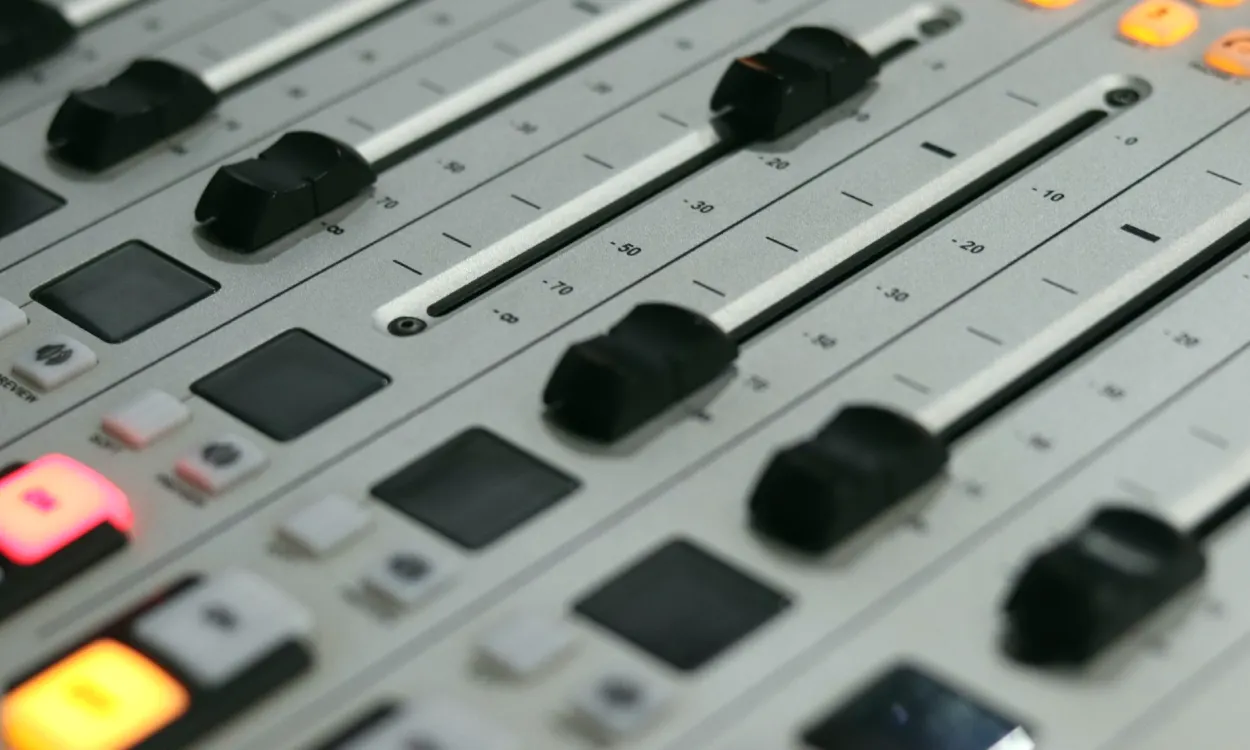
The vision mixer is where small faults become public. Work through every button, fader and transition on the control surface, and check that each input arrives where the labels say it should. Save and recall any stored setups, then confirm that the saved states still match how you now run your shows.
Cabling is the part most often neglected. Look for crushed sleeves, loose connector shells and runs that have been coiled too tightly. A route that worked in a summer set-up may now be wrong for the winter layout, so draw the floor plan again and trace each feed from camera to gallery. Where a run crosses a walkway, plan the cover before the crew trips on it.
Good cable management is dull work, but it is what lets a rehearsal start on time.
- Test every input and output on the mixer
- Trace each feed from camera to gallery on a fresh plan
- Replace any cable with a damaged sleeve or loose shell
Build the schedule around the equipment, not after it
Once you know what is sound and what is not, put dates against it. List the productions coming over the next few months and mark which items each one needs. Overlaps become visible quickly: two shows that both want the same jib, or a live evening that falls the day after a planned service. It is far easier to move a service than to cancel a show.
Allow a buffer before each first rehearsal for a check of the signal chain. An hour spent confirming that every camera reaches every monitor saves the director from discovering a dead feed with a cast waiting. For the busiest weeks, decide early whether to hire in extra kit, since the good items go quickly.
A shared, written schedule also means the whole crew knows what to expect, rather than relying on one person's memory.
What to leave for later
Not everything needs doing this season. Resist the urge to replace working equipment simply because the new year is approaching. A camera that performs well and has been checked is better than a new one nobody has yet learned. Plan larger upgrades for a quieter point, when the crew has time to train on them and the studio is not under deadline.
Equally, do not try to fix every cosmetic issue. A scuffed case or a faded label matters far less than a connector that cuts out under load. Spend the available time on what affects the picture, the sound and the reliability of the day.
Keep a short list of deferred items with reasons, so that nothing is forgotten and nothing is done in a rush.
- Defer large upgrades until the crew can train on them
- Prioritise faults that affect picture, sound or reliability
A studio that is ready before the first rehearsal is rarely lucky; it has simply been looked at early and calmly. Use these mid-autumn weeks to count what you own, test what matters, trace the cabling and put the schedule in writing. None of it is dramatic, and all of it makes the busy winter run more predictable for everyone on the floor and in the gallery.