
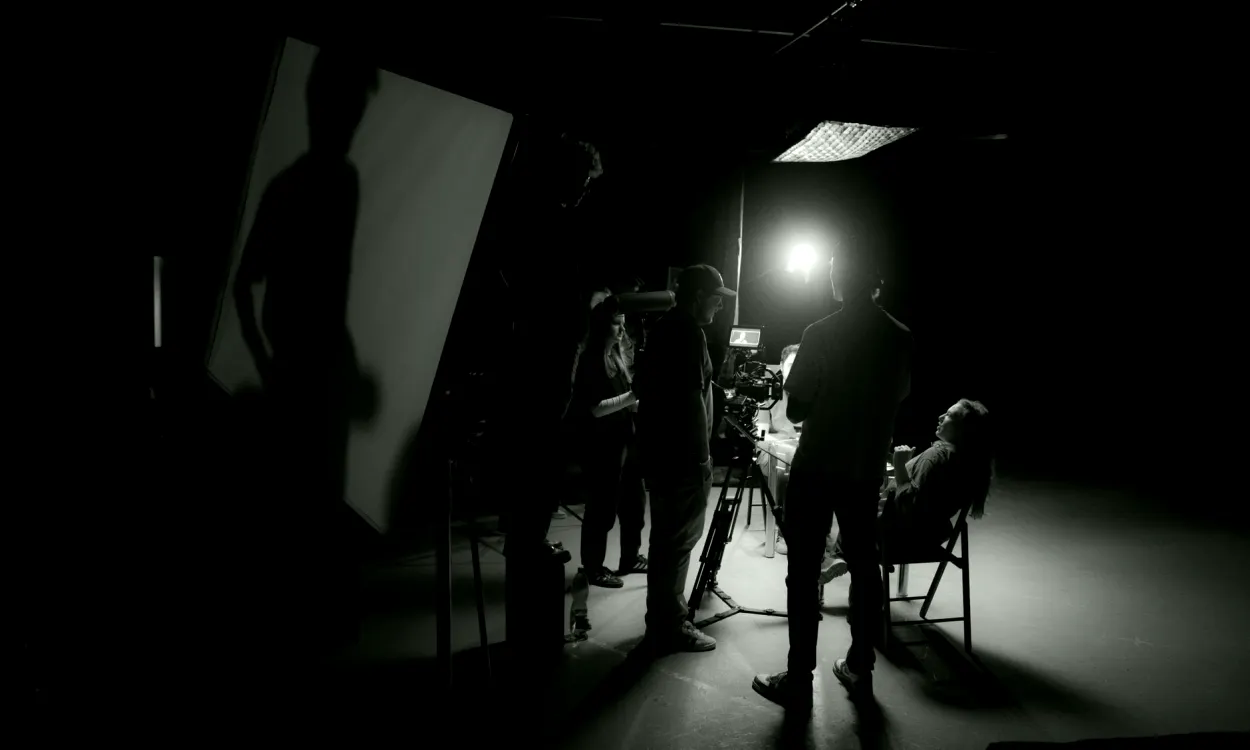
Why autumn changes how a studio sounds
Every year around now I notice the same thing: a studio that behaved perfectly in July starts to sound different. Windows stay shut, heating comes on for the first time in months, and the air in the room changes. Dry heat can make presenters' voices sound thinner and more sibilant, while damp load-in areas affect cable connectors and stands that have been stored in cold stores since spring.
None of this is dramatic, but it adds up. A speech-led programme depends on a calm, predictable sound, and small shifts in room tone or microphone behaviour are exactly what a gallery team notices at the worst moment. I would rather find them during a quiet rehearsal than on the first live bulletin of the winter schedule.
The sensible approach is to treat the start of the cold months as a reset. Walk the floor with fresh ears, listen to the room without any programme running, and write down what you hear. That written note becomes the baseline for every show that follows.
- Listen to empty room tone before any rehearsal starts
- Check heating and ventilation noise at normal running levels
- Note any change since the last quiet season
Microphone placement when everyone wears more
Autumn means coats, scarves, chunky knitwear and layered clothing, and all of it gets in the way of lavalier microphones. Fabric rustle is the most common complaint I hear from producers in these weeks. A microphone clipped to a thick collar or a coat lapel will pick up every movement of the material, and no amount of filtering fully fixes it afterwards.
My habit is to ask guests and presenters, where possible, to arrive in the layers they will actually wear on air, then place the microphone on the smoothest, most stable fabric available. Taping the cable loop inside the clothing so it cannot swing, and leaving a little slack for movement, removes most problems before they begin.
For desk-based formats, boom and desk microphones deserve a fresh look too. People lean in more when a studio is cool, and shift their seating differently. Checking the distance from mouth to capsule at a natural seated position is worth doing with the person actually in the chair.
- Place lavaliers on smooth fabric, away from scarves and collars
- Secure cable loops so they cannot brush against clothing
- Test with the guest seated in their real on-air layers
Setting up the mixing desk for the season
The mixing desk is the one piece of equipment that tends to stay untouched for months, which is precisely why it deserves attention at the turn of the season. I start by recalling the last saved settings and comparing them with what the room now needs, rather than assuming the old starting point still holds.
Faders, pots and routing connectors collect dust and mild corrosion over the warm months, and cooler air can reveal crackle that was invisible before. Working each control through its full travel a few times is a quiet, inexpensive habit that clears most of it. Labels matter as well: if a layout changed over the summer for a one-off event, restore it or relabel it so that a relief operator is never guessing.
Finally, set a clear gain structure from the microphone upwards. Healthy levels at the input stage, with no reliance on heavy correction later, keep the desk predictable when a presenter suddenly raises their voice or a guest speaks too softly.
- Compare recalled settings against the current room
- Exercise every fader and pot through its full travel
- Relabel any layout changed for a one-off event
Monitoring: what you hear is what you decide with
Monitoring is the part of sound management that people notice least and rely on most. Headphones and gallery speakers shape every decision an engineer makes, so a pair of ageing earpads or a loose connector quietly lowers the quality of the whole programme.
At the start of the cold months I check headphone cables for kinks where they have been coiled tightly, replace tired pads, and confirm that talkback and foldback mixes still reach the right people. Presenters wearing earpieces under hats or hair need a quick comfort check as well, because discomfort often shows up as a distracted delivery.
For music-led productions, foldback levels on stage deserve a separate conversation. Performers in cold halls often ask for more of themselves in their monitors, and agreeing a reasonable limit with the stage manager in advance keeps the front-of-house balance from drifting through the evening.
- Inspect headphone cables, pads and connectors
- Confirm talkback and foldback reach every position
- Agree stage monitor limits before a music rehearsal
Working with colder halls and festival marquees
Live music and televised events do not stop for the weather. Cold halls and temporary structures bring their own acoustic character: hard surfaces ring more, curtains and audiences absorb less when the crowd is thinner, and condensation on rigging and stage boxes is a genuine risk.
I like to arrive early to a venue in these weeks and let equipment settle to the room's temperature before powering it up. Moving a microphone straight from a cold van into a warm hall can leave moisture on the capsule, and patience for a quarter of an hour costs far less than a failed channel.
Cable runs deserve a walk-through, especially outdoors or in loading bays, where damp floors punish poor routing. Lifting connectors off the ground, covering joins and keeping a spare run to hand are simple measures that protect the show when the weather turns.
- Let equipment acclimatise before powering up
- Raise connectors off damp floors and cover joins
- Keep a spare cable run ready at every stage box
A short seasonal routine worth repeating
If I had to boil all this down for a busy studio manager, it would be a short routine done once at the start of the colder months and again after any long break. First, listen to the room. Second, test every microphone and cable in its real position. Third, exercise the desk and restore its layout. Fourth, check monitoring from the presenter's side as well as the gallery's.
The routine takes a modest amount of time and finds problems at the quietest point in the schedule. It also gives the whole floor team a shared reference, which matters when relief crew or guest operators join for a particular show.
Nothing about it is clever, and that is the point. Reliable sound in winter comes from habits repeated calmly before the pressure arrives, not from last-minute fixes in the middle of a live programme.
- Listen, test, exercise, then monitor from the talent's side
- Repeat after any long break in the schedule
Autumn is the right moment to look again at how a studio sounds, because the winter schedule leaves little room for surprises. Small checks on microphones, the desk, monitoring and cold venues cost very little time now and protect every live programme that follows. If you would like a second pair of ears on your floor before the busy weeks begin, get in touch and we will talk it through.