


scoopiro Mon-Fri 8:30-17:3001273 480126
Our work

Studio days we have helped run

scoopiro

A look at the kinds of rooms, rigs and live productions scoopiro works on, from news desks and talk sets to concert stages and festival broadcasts.

On the studio floor

These scenes show the daily substance of our work: cameras being positioned, lights being plotted, mixing desks being set and newsroom desks being coordinated before going live.

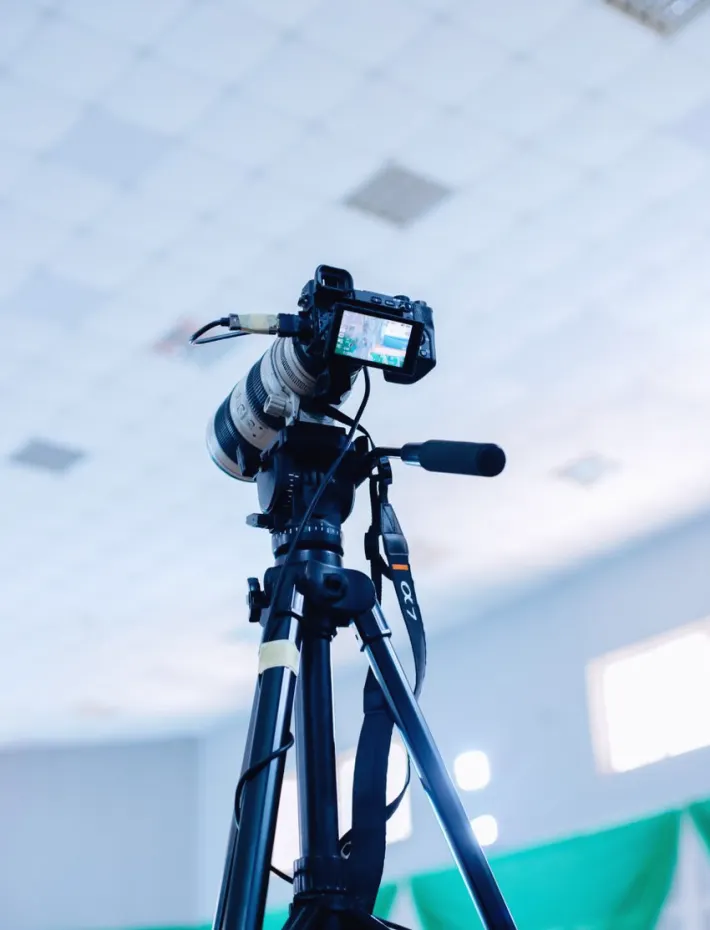
  • Cameras on pedestals before rehearsal
    Cameras on pedestals before rehearsal
  • Control room vision mixing
    Control room vision mixing
  • News desk lighting rig
    News desk lighting rig
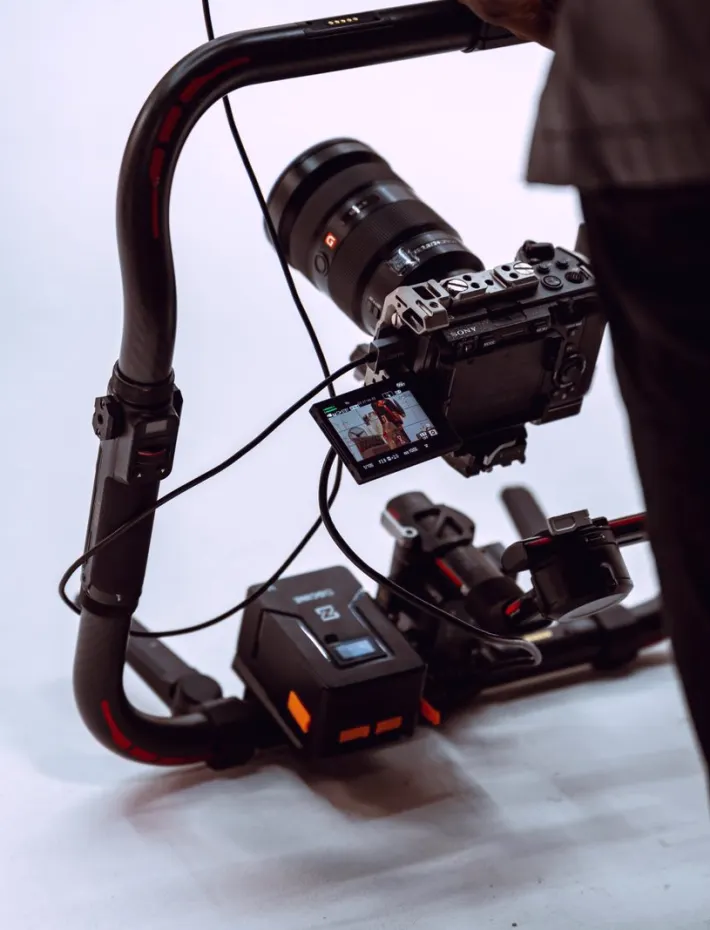
  • Jib camera on a talk set
    Jib camera on a talk set
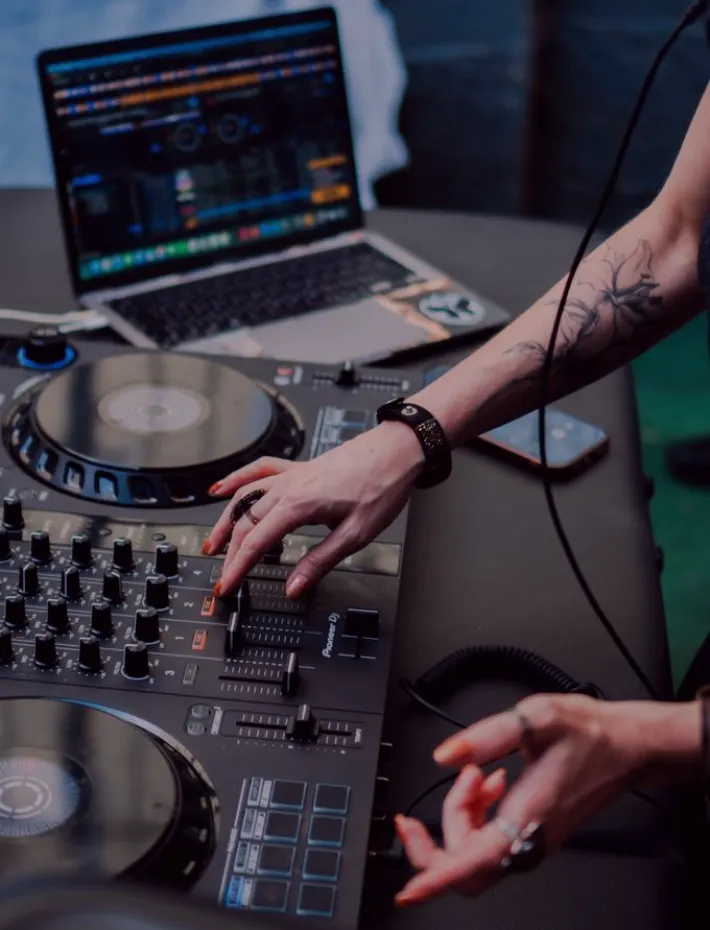
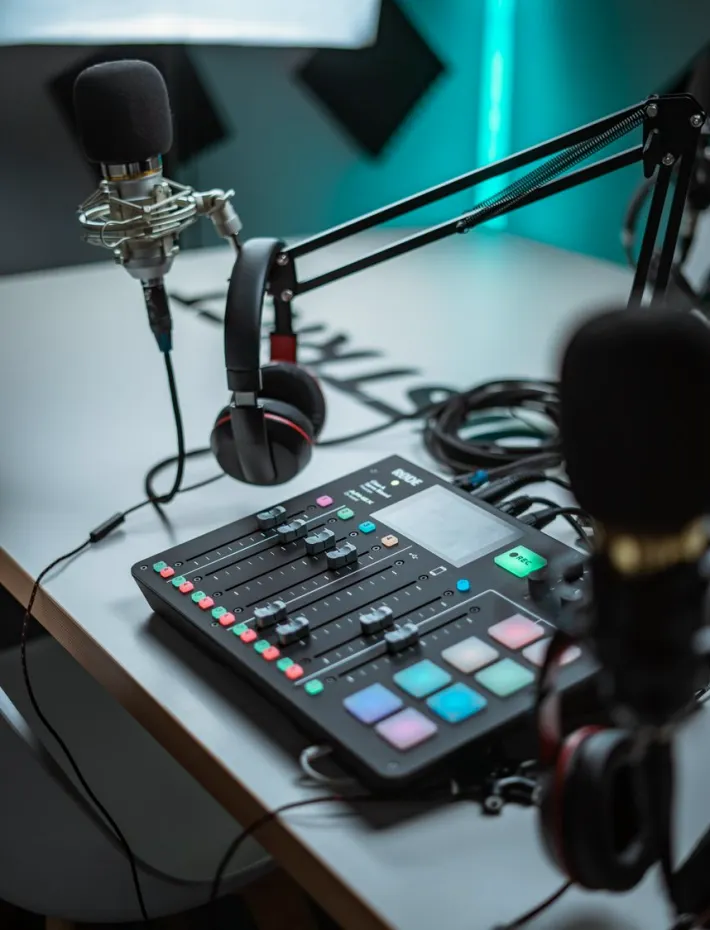
  • Mixing desk for a music broadcast
    Mixing desk for a music broadcast
  • Newsroom running order check
    Newsroom running order check
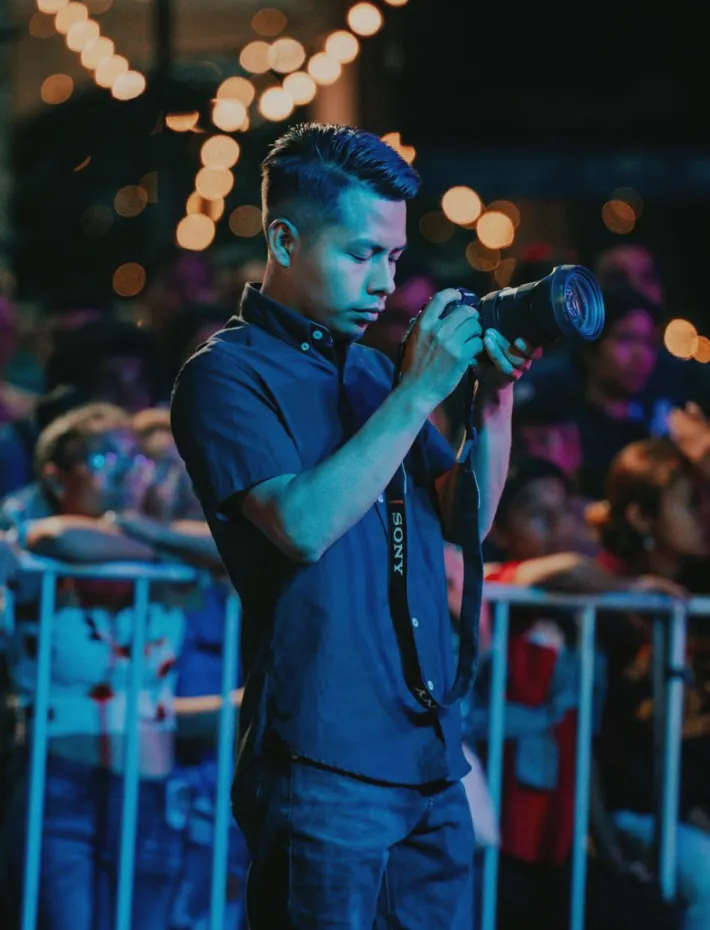
  • Festival stage camera position
    Festival stage camera position
  • Cable runs labelled and tested
  • 2014 Founded
  • 6 Service areas
  • 4 Team profiles
Behind the pictures

What the work looks like day to day

Most of what we do is quiet preparation that nobody sees on air. The scenes above come down to three habits: planning early, keeping rigs simple and leaving clear notes for the crew who follow.

Plan before the floor

Good studio days are mostly decided before anyone switches on a light. We draw up kit lists, lighting plots and running orders in advance, then check them against the real room. Rigging points, power supplies and sightlines are confirmed early, so problems surface when there is still time to solve them calmly. Rehearsal then becomes a chance to refine, not to repair. Producers tell us this is where the most time is saved, because nobody is improvising at the moment the programme goes live.

Keep rigs simple

A rig that only its designer understands is a risk on a busy day. Our lighting and sound setups favour clear layouts, labelled cables and settings that a crew can reset quickly between segments or shows. That matters for news sets that turn over several times a day, and for festival stages where changeovers are short. Where a more complex arrangement is genuinely needed, we write down how it works and who is responsible for each part.

Leave clear notes

When we finish, the crew should be able to run the room without us. We leave handover notes covering what was installed, how signals travel, which settings were used and what we would adjust next time. For newsrooms we add the routines that keep reporters, producers and gallery staff aligned. These notes are plain documents, written for operators and not for managers, and they are the part clients tend to return to most.

Get in touch