
The two options on the table
Most live event producers arrive at the same decision a few weeks out: do we assemble the crew ourselves from the venue's staff and a handful of freelancers, or do we bring in one team to coordinate the whole floor? Both can work. I have seen each produce a clean show and each produce a very long evening.
The first option, the venue-led crew, means the venue supplies its own technicians, the producer books cameras and sound separately, and each department reports upward to the producer. The second, a coordinated crew, means one team takes responsibility for stage cameras, talkback and sound handovers, and answers to the producer as a single point.
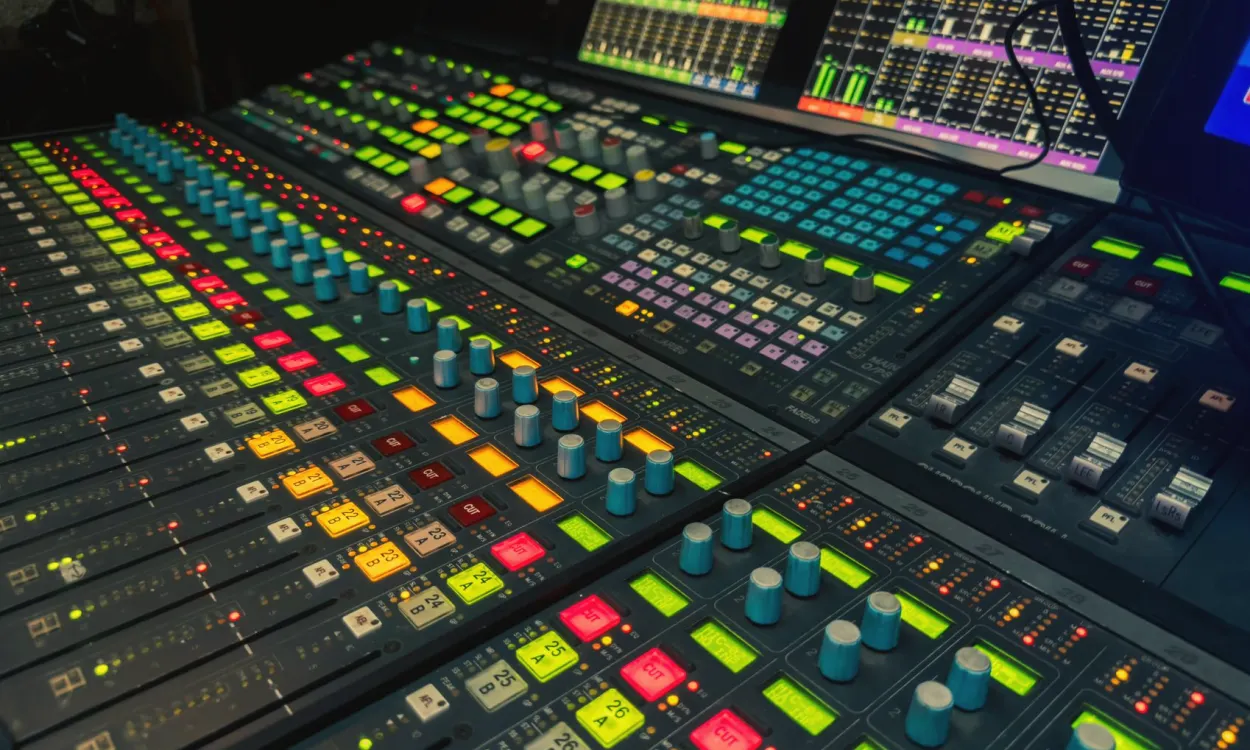
This note compares them on the things that actually go wrong on the night: communication, setup time, changes during rehearsal and accountability. I write it from the sound desk, so I will be candid about where audio suffers most.
Where the venue-led crew works well
A venue-led crew knows the building. They know which socket trips the breaker, where the cable runs are, and how long it takes to get a loading door open. For a small concert in a familiar room, with a short running order and a producer who is present throughout, that local knowledge is worth a great deal.
It is also simple to budget. Each department is booked on its own terms, and a producer who has worked with those people before can rely on habit rather than documents. When the format is repeated week after week, habit is a perfectly good system.
The weakness appears when the show changes shape. A new guest, an extra stage camera or a late move in the running order has to travel from person to person, and each person hears a slightly different version.
- Strong local knowledge of power, access and rigging points
- Straightforward booking, department by department
- Best suited to short, repeated, low-change formats
Where it starts to strain
Talkback is usually the first thing to fray. When cameras, sound and stage management are hired separately, nobody owns the intercom plan. Channels get shared, a camera operator hears the wrong cue, and a presenter walks on a bar early.
Sound suffers in a quieter way. Microphone changeovers, radio frequencies and monitor mixes depend on knowing exactly when the stage is clear. If the person calling the stage is not talking to the person at the desk, I end up guessing from the video feed, which is a poor basis for a clean handover.
Rehearsal is the other pressure point. Changes agreed with the director at four o'clock need to reach every department before doors. In a venue-led arrangement that relies on the producer walking the floor, and producers have a great deal else to do.
What a coordinated crew changes
With a coordinated crew, one person holds the running order and the channel plan for the floor. Cameras, talkback and sound handovers are written down once, shared at the start of the day and amended in one place. Nobody has to remember who was told what.
This is the core of our live event studio support: crew coordination on site, from stage cameras to talkback, with a named lead who is on the floor, not in an office. Helen Marsh runs our scheduling and will usually be the person agreeing the call sheet with you beforehand.
The trade-off is cost and a degree of handover. You are asking a team to learn the venue quickly, and you give up a little of the informal flexibility a familiar local crew offers. In return, the changes made during the afternoon actually arrive at the desk.
- One written channel and cue plan for the whole floor
- A named lead on site throughout rehearsal and show
- Changes recorded once, not passed along by word of mouth
Our recommendation
For a televised party, a festival stage or any concert with more than a couple of cameras, I recommend the coordinated route. The deciding factors are the number of moving parts and how often the running order may change, not the size of the audience.
For a small, familiar room with a fixed format, keep the venue-led crew and add one thing: a single page that lists channels, cues and changeover times, agreed by every department before the doors open. That page recovers much of what coordination provides.
If you are unsure which side of the line your event sits on, describe the format, the venue and the number of cameras to us. We would rather tell you honestly that you do not need us than add a layer you will not use.
Questions to settle before you choose
Before committing either way, put these questions to yourself and to the venue. They take ten minutes and will usually make the answer plain. The aim is to find out where responsibility for talkback and handovers will sit, because that is where live shows tend to wobble.
Ask who calls the stage, who owns the intercom, and who can say yes to a late change on the afternoon of the show. If the honest answer to any of them is nobody in particular, that gap is what coordination is for.
Also ask how much time you have on the floor before doors. A longer rehearsal softens most of these problems; a short one makes a clear plan worth far more.
- Who owns the talkback plan from load-in to final cue?
- Who calls stage handovers to the sound desk?
- How is a late running-order change confirmed to every department?
- How long is the rehearsal window before doors?
Neither arrangement is wrong in itself. A venue-led crew suits short, familiar formats; a coordinated crew suits shows with several cameras, guests and changes. What matters is that someone owns talkback and handovers from the first rehearsal to the last cue. Decide who that is early, write it down, and the rest of the evening becomes much quieter, especially at the sound desk.